
“Try to stay open to other possibilities, but do not give up. I don’t think you should give up on yourself or what you need for yourself.”
Planning for Aging: Why It’s Never Too Early to Start
Most people avoid planning for aging until a health scare or a hard conversation forces the issue. Retirement coach and author Kim Shea says that’s exactly backward — and after nearly 24 years working with older adults, she’s built her career around helping people plan ahead instead.
Shea’s path started unexpectedly. At 42, she became a caregiver for a neighbor and spent six and a half years learning what actually made someone’s later life feel meaningful. That experience led her into work as an activities director, then into retirement coaching, and eventually into writing Dare to Plan Your Aging Experience, a workbook built around one core idea: think through your options before you’re forced to choose under pressure.
Working Past 65 Isn’t a Failure
One of Shea’s clearest points is that working later in life is common, not shameful. Beyond income, a job or volunteer role provides structure, social connection, and a reason to get up and get dressed — benefits that don’t disappear just because a paycheck stops. Shea encourages people to consider volunteering or part-time work specifically for what it replaces, not just what it pays.
Make the Hard Decisions Early
Housing is where Shea sees the most avoidance. Many people insist they’ll never leave their home, without considering what happens if a diagnosis or a caregiving cost makes that impossible. She recommends deciding on a power of attorney, drafting a will, and having a housing backup plan — not because something is wrong, but so those questions are settled before a crisis arrives.
Purpose Doesn’t Retire
Shea’s advice extends beyond logistics. She encourages listeners to stay socially connected, keep learning, and resist comparing their pace to anyone else’s — comparison, she says, is one of the biggest energy drains at any age. Her broader message: aging well isn’t about avoiding change; it’s about staying prepared and staying engaged.
Kim Shea’s book, Dare to Plan Your Aging Experience, is available on Amazon, Barnes & Noble, and Book Baby Bookshop.
To hear the full conversation, including Kim’s advice on dementia prevention and navigating stress: https://tinyurl.com/Progress-and-Purpose-Podcast
Episode Highlights:
02:26 Meet Kim Shea: Caregiver Turned Retirement Coach
03:08 How Caregiving at 42 Sparked a Career in Aging
06:32 The Real Obstacles Behind Building Aging Expertise
09:37 Why Comparing Your Journey to Others Wastes Time
11:44 Proudest Wins: Her Book and Her Senior Community Work
13:51 Inside “Dare to Plan Your Aging Experience”
16:07 Why Working Past 65 Isn’t Something to Be Ashamed Of
18:06 Getting Your Affairs in Order Before You Need To
20:29 Dementia Prevention and the Confidence to Face Aging
25:21 Where to Find Kim Shea’s Book and Website
Resources:
Dare to Plan Your Aging Experience, written by Kim Shea, can be found for sale at:
- Amazon: https://tinyurl.com/Dare-To-Plan-Your-Aging
- Barnes & Noble: https://tinyurl.com/Dare-to-Plan
- Book Baby Bookshop: https://tinyurl.com/Kim-Shea-Dare-to-Plan
📖 The Adventures of Harold from the Hood Book Series:
🚙A Trip to the Park: https://bit.ly/40Lvv6h
🤝🏽Friends Like Different Things: https://bit.ly/4ocAQxq
🍟 Fun Time Lunch Time: https://bit.ly/4odUCJ1
😤 When I Feel So Annoyed: https://bit.ly/4l6WSPt
Meet Kim:
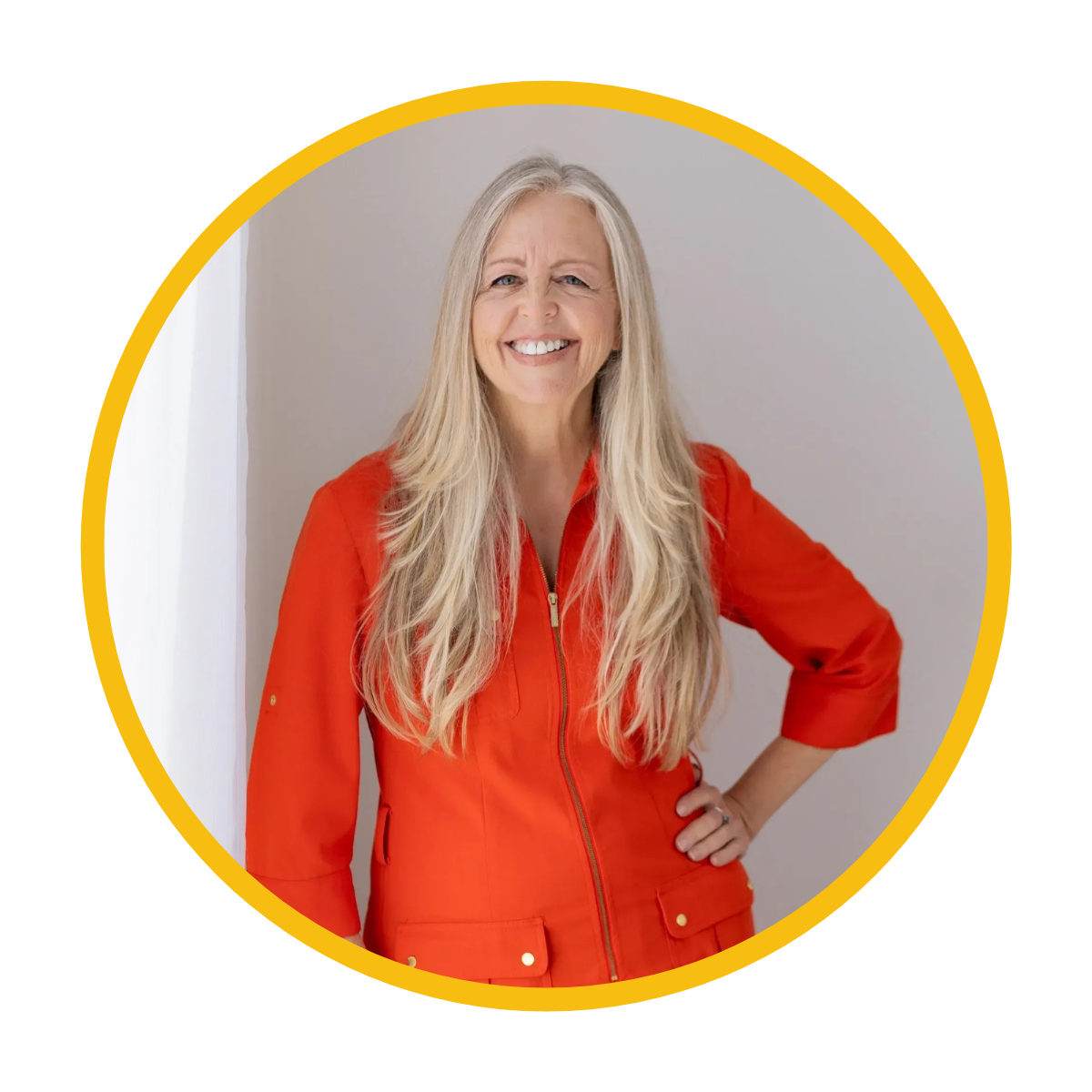
Kim Shea is a retirement coach, author, and aging advocate with nearly 24 years of experience working with older adults in caregiving, senior living, and mental health settings. She is the author of “Dare to Plan Your Aging Experience”, a practical guide and workbook that helps adults prepare for retirement, senior housing, and purpose-driven living later in life. Drawing on her background as a caregiver, activities director, and senior services leader, Kim specializes in helping people stay engaged, feel needed, and navigate aging with confidence, dignity, and connection. She also leads community programs that reduce loneliness among older adults and create spaces for meaningful friendships and support.
Quotes:
04:13 “People need to feel needed, and that they can contribute independently, no matter what age they’re in. Almost at any stage of illness and aging, they still want to feel like they matter.” —Kim Shea
05:33 “People sometimes forget the importance of understanding how to regulate themselves when they’re going through the process of aging and all the things that entail— and that can be very detrimental to the mind andself-esteem.” —Jim Price
06:12 “People get annoyed with them for asking for help, but it’s really hard for the person who has to keep asking for help too. It’s not fun.’ —Kim Shea
08:53 “When you meet challenges, that boosts self-esteem and lets you know that you have the ability to overcome circumstances.” —Jim Price
09:41 “You’re wasting your time comparing yourself.” —Kim Shea
15:41 “When you stop working, you need to find ways to replace all that in order to be healthy. Some people have tons of money, and they go and travel and see the world, and that probably meets those boxes. But for a lot of us, working is a fact of life, and for financial reasons, have to work too. It’s something important to think about and not to be ashamed if you need to keep working past the age of 65.” —Kim Shea
16:49 “When you have that passion, you’re able to be in a situation where you actually enjoy what you’re doing. It makes such a tremendous difference.” —Jim Price
20:01 “It’s neat to realize you’ve gained wisdom over time, and you have it to share.” —Kim Shea
22:29 “Try and stay open to other possibilities, but do not give up. I don’t think you should give up on yourself or what you need for yourself.” —Kim Shea
23:44 “Life is just a journey that keeps on giving you lessons.” —Jim Price
24:58 “If you know you need help, the first step is willingness to accept that.” —Jim Price
transcript:
Kim Shea: You have somebody who cares about what you’re doing, and cares about your knowledge and expertise. You have a reason, oftentimes, to get up and get dressed, and be somewhere. And it’s a benefit. All those things are real benefits to keep you connected to life and to other people, and with your mental stimulation. And so when you stop working, you need to find ways to replace all that in order to be really healthy. Some people don’t. Some people have tons of money and they go and travel and see the world, and that’s great. That probably meets those boxes for those people. But for a lot of us, working is a fact of life. And a lot of us, for financial reasons, have to work too. So I talk a lot about that in the book too, because I think it’s something important to think about and not to be ashamed if you need to keep working past the age of 65. It’s pretty common.
Dr. Jim Price: Hello, I’m Dr. Jim Price, and welcome to The Purpose and Progress Podcast. This is the place where we explore how purpose can guide our actions, and how growth can become a part of our everyday lives. On the show, I talk with amazing guests, from educators and creators to everyday people with extraordinary stories about the challenges they face, the lessons they’ve learned, and how to keep moving forward. My goal is to share conversations that inspire you to live intentionally, embrace growth, and take meaningful steps to your own purpose. Let’s get started.
Hello once again. This is your host, Dr. Jim Price, on The Purpose and Progress podcast show where we share inspiration and motivational stories of fabulous folks from all industries, sharing motivational messages of how their journey started, and how they proceed to get to where they are in terms of their success and everything. So today is no different. We have a fabulous guest. She is the author of an insider’s guide and workbook that helps older adults discover what matters most as they navigate the challenges of aging. With nearly 24 years of experience working with older adults, and a background as a retirement coach, she is passionate about helping people find purpose, stay engaged, and continue feeling wanted and needed. She shares practical insights on aging successfully, purpose-driven living, and preparing for later life with intention. And today, we have Kim Shea with us. Welcome, Kim. How are you doing?
Kim Shea: Thank you very much. Thank you for inviting me on.
Dr. Jim Price: So we were talking a little bit before about how it’s different in terms of the weather. The weather is different in California versus here. We just had the tornadoes a couple days ago, and we were talking about the differences and changes, and how things happen and stuff. So that kind of leads into our discussion with you in terms of people seeing the success and all that stuff, but they don’t always know the journey to get there. So this is kind of like an overview of what, how you came to your purpose and journey and everything in terms of the things you do. So I think getting into it, when do you kind of feel that your journey began, and what do you feel influenced that?
Kim Shea: I think I became a caregiver for somebody. I was probably about the age of 42 or something like that. I was a stay-at-home mom, and there was a neighbor who needed caregiving, so I became involved in that. I learned all about everything as I went along with the progress of his disease, and learned about advocacy, learned about what made life more valuable to him. It was a really wonderful experience. And then he passed away after about six and a half years of doing the caregiving. So then, I really started to evaluate my life. It’s not that I didn’t enjoy being a homemaker. But my kids were going off to school ,and they weren’t there full time. I realized I really did enjoy helping people, but I didn’t really know what that looked like. So I was taking some classes. I knew I did like working with older adults. I was taking some classes and getting some certifications. And then at some point, a friend of mine said that she was going to be taking a job as a director of nursing in a skilled nursing home, and she said that there was a need for an activities director. And I thought, well, I can do that. So I did it. I loved it. And again, it reinforced some of the things I’d learned as a caregiver. But then there were newer things to learn about just how people need to feel needed, and that they can contribute independently no matter what age they’re in. At almost any stage of illness and aging, they still want to feel like they matter. So it was really helpful to me. And then I had an opportunity to work with older adults in a mental health practice. Not a mental health practitioner, but I ran the practice, and then got to work with older adults and helping them find places to live, and helping them navigate retirement. And so it’s all been a lot of moving parts, a lot of pieces that have contributed to what I know now, and I’m really thankful for all the opportunities that I have had. And now, it’s nice to be able to share them.
Dr. Jim Price: And I think that’s something that’s so useful. Especially, people sometimes don’t really get into the aspects of really understanding about aging and what that entails. I always take myself as a perfect example. At the age of 40, when I turned 40, I had a clean board of health that had no issues, no concerns. And as soon as I hit 40, all of a sudden, oh, your blood pressure is a little high. And all of a sudden, I’m on a medication. All of a sudden, they said, hey, can you see good? I said, I’ve seen 2020. Went to the doctor, and behind my back, scheduled appointment. I didn’t even know the specialist was over there. I went to the appointment because the doctor said so. Then it turned out to be a screening for my eyes. Now, I’m wearing glasses. People sometimes forget about the importance of understanding how to regulate themselves when they’re going through the process of aging and all the things that entail in terms of, some people go from being independent and being more dependent upon others and stuff like that that can be very detrimental to the mind, and self esteem, and things like that. Those are all aspects that are connected in that way.
Kim Shea: Yeah. It’s hard sometimes to look at a lot of pill bottles and realize, geez, those are all mine now, and they’re not going away. And then it can be hard to have to ask people for help. That’s really hard. It’s really hard. And sometimes, people get annoyed with them for asking for help. But it’s really hard for the person who has to keep asking for help too. It’s not fun.
Dr. Jim Price: Absolutely. Continuing with that, what do you feel were some of the obstacles that you faced, a challenge that you faced to get to where you are today? What obstacles or challenges do you face?
Kim Shea: Okay. I’ve faced a lot of obstacles. Sometimes, you don’t have the exact educational requirements that you feel that you need for doing a job, and that can be daunting and intimidating. I remember when I graduated school after I was done caregiving, and there were professionals in the room with me. I was not a professional. I’d been a caregiver, and they found what I knew valuable, but it wasn’t the same as somebody who was an MD, and also had like 17 other letters behind his name. I swear, he was getting every certification there was to get on somebody who ran a respiratory therapy clinic for years, and years, and years. People had other knowledge that I did not have, and I would watch them get up and give presentations where they could just rattle it off. It was very impressive. I thought someday I would like to be able to do that, but I wasn’t there yet. But that’s the thing. You have these things, and then you figure out what you’re going to do.
So I took a class through Toastmasters, and I joined Toastmasters for two years so that I could learn to be a better public speaker, and that helped me to develop my confidence. And then finishing the degree, doing all the work that I have. Sometimes, things just come with time where you learn things, but there’s always challenges with money and trying to figure out how to keep something afloat if you’re running your own business. Or not getting picked for a job that you thought, for sure, I’m the best person for the job, and somebody else disagrees. I’ve had all those setbacks too, and it’s definitely a challenge. And then for you, for women, a lot of times, you have a challenge of a family that can get in the way of things too from a career perspective. It’s not that it’s not important, it’s just making it harder to move ahead.
Dr. Jim Price: Even in the gist of how people navigate their lives and stuff like that, sometimes, when we have certain obstacles and certain hurdles that may come about in our lives and stuff, and we see others around us doing different things and stuff like that. Then sometimes, people become more sentimental to what they’re doing, and compares into other people and stuff like that. And then it tends to have them lose focus on what they should be focusing on is themselves, and their progress, and what they’re doing personally. And sometimes, I think that this loss and the shuffle of everything, when you’re trying to navigate and you’re overcoming these obstacles yourself, and at the same time, when you meet challenges and you’re able to overcome challenges, that boost self-esteem lets you know that you have the ability to overcome circumstances, to overcome obstacles, and things that happen in life and stuff like that. And I think that connects with that purpose-driven idea of trying to better one’s life, and understand oneself on a more personal level, understanding self and stuff like that. So I mean, all that you correlates in there as well with self esteem boosting, wanting to be better, and be a better version of yourself. I always like what you said, become the best version of yourself along this path of the life that we go through and stuff like that. Those are such important points right there.
Kim Shea: Oh, yeah, I agree. You raise a good point too. It’s just you’re kind of wasting your time comparing yourself. I think it’s hard not to do. I think it’s human nature to look around and go, wow, she got 10 more years of experience than I have, or he had better breaks than I’ve had. And just you do need to try and stay in your lane and focus on what you can do to better yourself. Because it doesn’t really help you unless you’re looking around, getting inspired by it, like, oh, he got that degree. That’d be helpful if I got that degree too.
Dr. Jim Price: Looking for books that spark imagination, and teach valuable lessons? The Adventures of Harold From The Hood has four wonderful titles: A Trip to the Park, Friends Like Different Things, Fun Time Lunch Time, and When I Feel So Annoyed. Kids can enjoy animated videos, fun coloring pages, and interactive activity books that make learning about empathy, friendship, and social skills exciting. All books are available on every platform. Dive in today at jimpricebooks.education. jimpricebooks.education. Stay blessed.
Dr. Jim Price: That’s definitely something I do. Even with the youth that I mentor and work within the schools, I always try to imply to them that they can set goals, meet their goals, and think about their future. A lot of times, the kids in schools just think in the present moment. They’re not thinking about the future at the time. That’s kind of just thinking about in the present moment versus, hey, where do you think you’ll be at in like two, three years? What do you think you want to do? It’s close to graduation, what are your plans toward when you get to graduation and stuff like that? Do you have a goal or some kind of plan? Have you thought about even that far ahead? Things like that.
Kim Shea: Right. Yeah. That’s really valuable. That’s a good use of your thought powers there to try and figure out because you have to navigate. You’re really the only one who’s going to do that for you.
Dr. Jim Price: You’re already well accomplished, but if you were to say in terms of achievements and stuff, what’s probably achievements that have been more important and probably dear to you on your journey and things like that?
Kim Shea: As every parent’s going to say, kids. I’m proud of my children that they can be good citizens and take care of themselves. Definitely proud of that. But personally, I’m proud of a book that I just had published. I’m proud of some community work that I’ve done that probably matters to me most of all. At my local senior center, I work with older adults to help them make friendships, and I’ve been doing that for almost three years. And that has been very enjoyable to feel like I’m helping to bring people together. There’s a lot of loneliness in the world, and especially among older adults. And then I’ve been able to bring together people in the senior living spaces, senior services to come together once a month and talk to each other, and learn from each other, and learn from experts and things like that. Just to help build that community where we can talk to each other and really gain insight into what other people are doing, what other people are going through, maybe problems we hadn’t heard about, articles in the news, things like that. It’s been really helpful to do that, and so I’m really proud of those things.
Dr. Jim Price: Yes. It’s always good when you come. People don’t always understand how it’s a process. You have to create a story or whatever it might be, but it’s another thing to have it published. Those are two different hurdles. You come up with ideas, you create this fabulous book and material that’s going to help be helpful for people. And then it’s like, I got to get it published. Sometimes for a lot of folks, that’s a challenge within itself. So being able to do those things and move forward, especially in a message that’s going to be helping others understand something that can be useful and important to their lives, as they progress, get older and things like that, they can have that ability to be able to have some kind of form of resources and stuff like that that’s attached to those things too. I
Kim Shea: Yeah, exactly.
Dr. Jim Price: I also wanted to know, we talked about the book a little bit. Maybe you can give the audience a little bit about the book?
Kim Shea: Well, it covers a lot of things. It’s stories of things that I’ve seen or experienced taking care of older people. Just working with older people, and helping them to plan ahead for their lives by presenting different topics with multiple perspectives. So the one I use the most often would be like, if you ask people what do you want to do for senior housing and where do you want to live, a lot of people become very flat-footed. I’m going to live in my house, and I’m not leaving here. They’re going to have to carry me out in a cardboard box. Like, well, okay. But let’s say you get this diagnosis and this house doesn’t work for you anymore. Let’s say you get this diagnosis and you need care, and nobody can come in and care for you here because it’s too expensive. So I try to just give people multiple perspectives. But there’s a lot of other talk besides senior housing, like talking about whether or not you should work or volunteer. And so some people feel like, my, gosh, we’re talking about working. I’m retired. Why would I want to work?
And fact of the matter is, people live a lot longer than they used to. And they live more healthily than they used to. So a lot of times, you can work if you want to, and you can pick a part time job. Or you can pick something that you never did before that you just think is something you’ve always wanted to do where you can volunteer. Older adults make up a huge portion of the volunteer work in the United States, and talking to people about it. Because when you work, you get really wonderful things from work. You get money, but you also get a social environment. In most cases, even if you work from home, a lot of times, you go out and meet other people. But when you communicate with other people on a regular basis so you have a social connection, you have somebody who cares about what you’re doing, cares about your knowledge and expertise. You have a reason, oftentimes, to get up, get dressed and be somewhere. And it’s a benefit. All those things are real benefits to keep you connected to life and to other people, and with your mental stimulation. And so when you stop working, you need to find ways to replace all that in order to be really healthy. Some people don’t. Some people have tons of money and they travel and see the world, and that’s great. That probably meets those boxes for those people. But for a lot of us, working is a fact of life. And a lot of us, for financial reasons, have to work too. So I talk a lot about that in the book too, because I think it’s something important to think about and not to be ashamed if you need to keep working past the age of 65. It’s pretty common.
Dr. Jim Price: I know even with myself, I’m at the age now where I actually have to have those conversations about retirement, what that would look like, and all those things. Like, okay, health-wise. If things were to change, how would that impact my current living situations? Even with work, all those aspects that you just mentioned by work are so important because those are the things that happen. You get the social thing. It gives you something to do, gives you purpose and drive for the day when you’re able to work. And especially when you have work that you love doing and stuff, that makes a tremendous difference when you actually learn. There’s a lot of people who don’t really enjoy what they’re doing work-wise. They go to work, but they don’t enjoy the work that they’re doing. But when you have that passion, you’re able to be in a situation where you actually enjoy what you’re doing. It makes such a tremendous difference in terms of getting through. I was just talking to somebody else about the AARP stuff, how they sent me that stuff in the mail, and how I was ripping it up and all that stuff.
Kim Shea: They said it’s really early, so you have time to think about it.
Dr. Jim Price: Those are things like maybe 10 years ago that I wasn’t even thinking about, wasn’t even on my radar to think about a lot of that stuff. But now, it’s the reality of it. These are things that I have to think about. I’m now at the point where I have to start giving really focus and real energy toward knowing what the plan will be in terms of retirement, what that would look like and everything like that. All those things are so important. A lot of people as they get older, they go through those life transitions, and they’d always understand how it’s impacting and influencing them. And I think your book will definitely help motivate. Not just motivate, but give people valuable resources on how to work through all that, and navigate all that in their lives as they continue to go forward with getting full of retirement. Whatever it might be, planning for retirement, as they say. Or even just medical conditions, whatever it might be.
Kim Shea: Thank you. That is the goal. I hope people will think about it because you can wing it. Sometimes, it’s nice to have some things that you’ve thought about where you might want to live if home doesn’t work out, and who’s going to be your power of attorney. If your kids live in another state, would you rather be closer to them? Or do you want to be somewhere by yourself? And just things to think about, and start taking steps for it. And if some people do need to retire from work, they’ve been exhausted. They’ve worked very physical jobs. They’ve maybe worked jobs that were very emotionally traumatizing, and they’re drained. And so some people need to figure out. Well, I’m not going to have that extra source of income to help me out, so what can I afford? Because I think a lot of times, people are very surprised by how much it costs to move into a senior living community or to hire a caregiver. Those things are very expensive. So how can you make your house ready so that you can retire there? And how can you get help when you need it? What can you do? So just a lot of things to think about.
Dr. Jim Price: Absolutely. And like I said with myself when I was younger, I never thought about being the age I am now. Whenever you’re young, you don’t think about that. You’re young, and you’re just living in the moment, and you’re just having fun. You’re not even thinking remotely about, oh, one day I’m gonna be this age, and then you get to that age, and then I’m doing the same thing. All my mentors and stuff who used to give me advice and guidance on maybe making good choices in my good choice in my life, now, I’m doing the same thing. Now, I’m giving the advice. I’m giving the lectures and stuff. Some of my little cousin, oh, here he comes. He’s gonna say about something again. But I went through the same exact thing. It just brings such an awareness when you’re able to see how life goes full circle. I used to get the advice. And now, I give the advice as the older adult and seeing how things go full circle like that.
Kim Shea: And it’s neat to realize you’ve gained wisdom over time, and you have to share it. They might not be appreciative, but maybe on some level, it’s sinking in up there.
Dr. Jim Price: You were to say in terms of advice for the audience, in terms of advice of motivation, or even if they’re maybe stressed about aging, or whatever the case may be, what advice would you give to the audience to help motivate and encourage them in those ways?
Kim Shea: In terms of aging, it’s something you either get to do or you don’t get to do. So just take some time to think about it. Talk to your family, your loved ones, your close friends, whomever, and make sure you get people in place who are there to help you, can listen to you, and support your decisions so that at least you feel like you have a little bit of a handle on it. I know a lot of times, I think people are trying to get in control of it. You can, and you cannot. One I think most people rally against the most is dementia. So they’ll do the research and they know if I learn a foreign language, if I take dance lessons, if I learn a musical instrument, and if I hang out with other people, I exercise and eat right, I’m not going to get dementia. They’ll say, well, I’m going to reduce my chances. But I think in their heart, they’re thinking, I’m not going to get it because I’ve done all this. I think that’s great to do the research and try and figure out what you can do to give yourself confidence about aging. But again, think about it, but what happens if I do? And again, you’ll just have the confidence. I know a lot of people never want to have a will drawn up, they don’t want to bother with that. There’s a lot of things that once you get them in place, you can just relax. Like I did it, that’s done, and then you don’t have to think about it again unless something major changes in your life. It’s nice to get things in order. I would say for stress, to definitely try them and set things aside, get it done. But then you can set them aside.
And I think in terms of motivation, you just can’t give up. It’s so easy. Think about all the things, challenges I’ve had over my life where I just feel like, okay, I’m going to give up. And then the next day I’m like, but I’m going to try just this one more thing, and never really give up. Just sometimes, it feels so defeating. Life is hard. So definitely, there’s days when I’ve just been like, I can’t even do this anymore. I don’t know why I’m here. But then the next day thinking, okay, today is a new day. I’m going to try again. I think it’s really important to keep trying. Make sure you’re not running your head into a wall that’s never going to open for you so try and stay open to other possibilities, but not giving up. I don’t think you should give up on yourself or what you need for yourself. I don’t think you should give up on that.
Dr. Jim Price: That’s so powerful right there. Not giving up on yourself when there’s so many people out in the world. I always talk about how there’s so much unhinged trauma and stuff like that, and undeemed childhood trauma. All kinds of traumas that people go through in their lives that have been unhealed or not addressed in some way, shape, or form, or fashion and stuff. And I mean that definitely is regulated toward trying to understand those aspects of self when you’re going through aging, or just dealing with trying to get through obstacles, and get through challenges and stuff that can become very stressful. And stress can lead to actual physical symptoms if they’re not held in check, and you’re not able to resolve some things. Sometimes, stress can actually lead to having physical symptoms. So a lot of that is interconnected in that way when people are just trying to get through because life is definitely not all bold cherries. You never know that there’s always something happening here, there and everywhere. And then challenges of what life throws at you. Life is a great thing, but you got to appreciate the good and the bad of life, and stuff like that because life is just a journey that keeps on giving you lessons. That was so great that you mentioned those things.
Kim Shea: Yeah. Thank you. And I like what you talked about with the stress and the now can lead to health problems. And there’s plenty of studies to support that because it causes inflammation in the body. But I think one thing if people kept in mind is that we’re lucky. You talked about unresolved or unaddressed childhood trauma. When we were little, if you had a trauma, then you dealt with it and marched on. It was not because I don’t remember having someone say to me, you need to go get some therapy, and we’ll get you to see a psychologist on a regular basis. It just wasn’t a thing. But nowadays, it’s so accepted, and you can get it online. You don’t even have to leave the comfort of your own house. You can sit there in your pajamas and talk to a therapist online. And it’s just much more acceptable now to get therapy. It doesn’t mean you’re crazy. It means you need help thinking something through, and not necessarily taking the advice of your cousin. But having a therapist to help you work it through and make sure you’re dealing with your stress in a good, healthy way. So that’s an option that people always have available to them.
Dr. Jim Price: Absolutely. I said the main point is that if you need help, the first step is to be willing to accept that, yes, I do have a problem. That’s the first step. And then making steps upon, I admit that I have a problem. Then, what is going to be my first step to actually regulate toward getting help for whatever the issue is?
Kim Shea: I love that. Solid advice.
Dr. Jim Price: How is our audience able to connect with your books and you?
Kim Shea: Yeah. They can go to my website, which is seniorlg.com, and they can email me at kimshea@seniorlg.com. And then my book is available on Amazon, Barnes & Noble and Book Baby Bookshop. And again, it’s called, and it is a workbook and a guidebook.
Dr. Jim Price: Absolutely fabulous! Our audience, please go out and purchase a book. We’re all always about motivating and inspiring people to be the best versions of themselves through self love, self worth, understanding your value in terms of that. So aging are part of that. Understanding your value as you age and stuff like that, and dealing with those things. So it’s been great to have you as a guest, Kim. It’s just a blessing to have you. We definitely touch upon a lot of nuggets of knowledge, and understanding, and stuff like that, so thank you. And once again, we’re always trying to motivate others to be the best versions of themselves. Thank you to all the audience as well. And until next time, I always say, stay prayed up and stay blessed. Once again, this is The Purpose of Progress podcast show. I’m your host, Dr. Price, and we’ll see you next time.
Kim Shea: Thank you, Dr. Price. Thank you, everybody.
Dr. Jim Price: Thank you for joining me on this episode of The Purpose in Progress Podcast. I hope today’s conversation gave you insight, inspiration, or a fresh perspective to help you move forward with purpose. If you enjoyed the episode, please subscribe, leave a review, and share it with someone who could use a little encouragement. You can also support the podcast through the donation link in the show notes. Every contribution helps us keep sharing stories that uplift and inspire. Remember, your purpose is waiting, and progress never stops. I’ll see you next time.