
“If I answer the root question of what it takes to create success, I will just say… undefeated. It’s a mindset that says you will continue; you’ll persevere.”
Undefeated Mindset: How to Turn Failure Into Growth
Everyone loses. Not everyone stays undefeated. According to performance psychologist Dr. Al Philip-Neri, the difference isn’t talent or luck — it’s a mindset that treats every setback as information instead of an ending.
Philip-Neri, founder of Cohesion HQ and author of The Execution Advantage, spent 22 years building businesses after a 12-year government career. Along the way, he learned that an undefeated mindset means asking one question after every failure: what’s next that moves the needle forward?
The Business Lesson Hidden in a Seven-Year Lease
Philip-Neri once co-founded a gym with a fellow athlete, assuming shared competitive backgrounds meant shared goals. They didn’t. One partner wanted a fitness-focused space; the other wanted a fight team. That misalignment surfaced only after they’d signed a seven-year lease.
The lesson wasn’t about picking better partners — it was about having the right conversation before committing. Passion and enthusiasm aren’t a substitute for clarity on what you’re actually building together.
Why Self-Awareness Beats Motivation
Real growth, Philip-Neri argues, starts with honest self-assessment: knowing what you do well, what you do averagely, and where you need help. That clarity determines who you should collaborate with and what you should stop trying to do alone — a principle that applies as much to solo entrepreneurs as to executive teams.
How Pressure Builds Trust
Philip-Neri’s Execution Advantage framework centers on a simple idea: pressure, applied deliberately, builds trust rather than breaking it. He compares it to teaching a child to ride a bike — you expect wobbling, falling, and frustration, but your patient, encouraging response is what eventually produces confidence and independence.
Applied to teams, calibrated pressure reveals who can be counted on, which builds the collective trust needed to predict execution — and ultimately, results.
An undefeated mindset isn’t about avoiding failure. It’s about deciding, every time, what comes next. Hear the full conversation between Dr. Jim Price and Dr. Al Philip-Neri: https://tinyurl.com/Progress-and-Purpose-Podcast
Episode Highlights:
03:47 Meet Dr. Al Philip-Neri: From Government Service to Psychology
06:15 Learning From Failure vs. Learning From Success
10:35 The Seven-Year Lease Mistake That Redefined His Business
14:38 Why Payroll Is the Biggest Line Item in Any Business
17:30 Inside the Execution Advantage: Behavior, Alignment, Pressure
21:34 The Bike-Riding Metaphor: How Pressure Builds Trust
26:01 Closing Reflections
Resources:
📖 The Adventures of Harold from the Hood Book Series:
🚙A Trip to the Park: https://bit.ly/40Lvv6h
🤝🏽Friends Like Different Things: https://bit.ly/4ocAQxq
🍟 Fun Time Lunch Time: https://bit.ly/4odUCJ1
😤 When I Feel So Annoyed: https://bit.ly/4l6WSPt
Meet Dr. Al Philip:
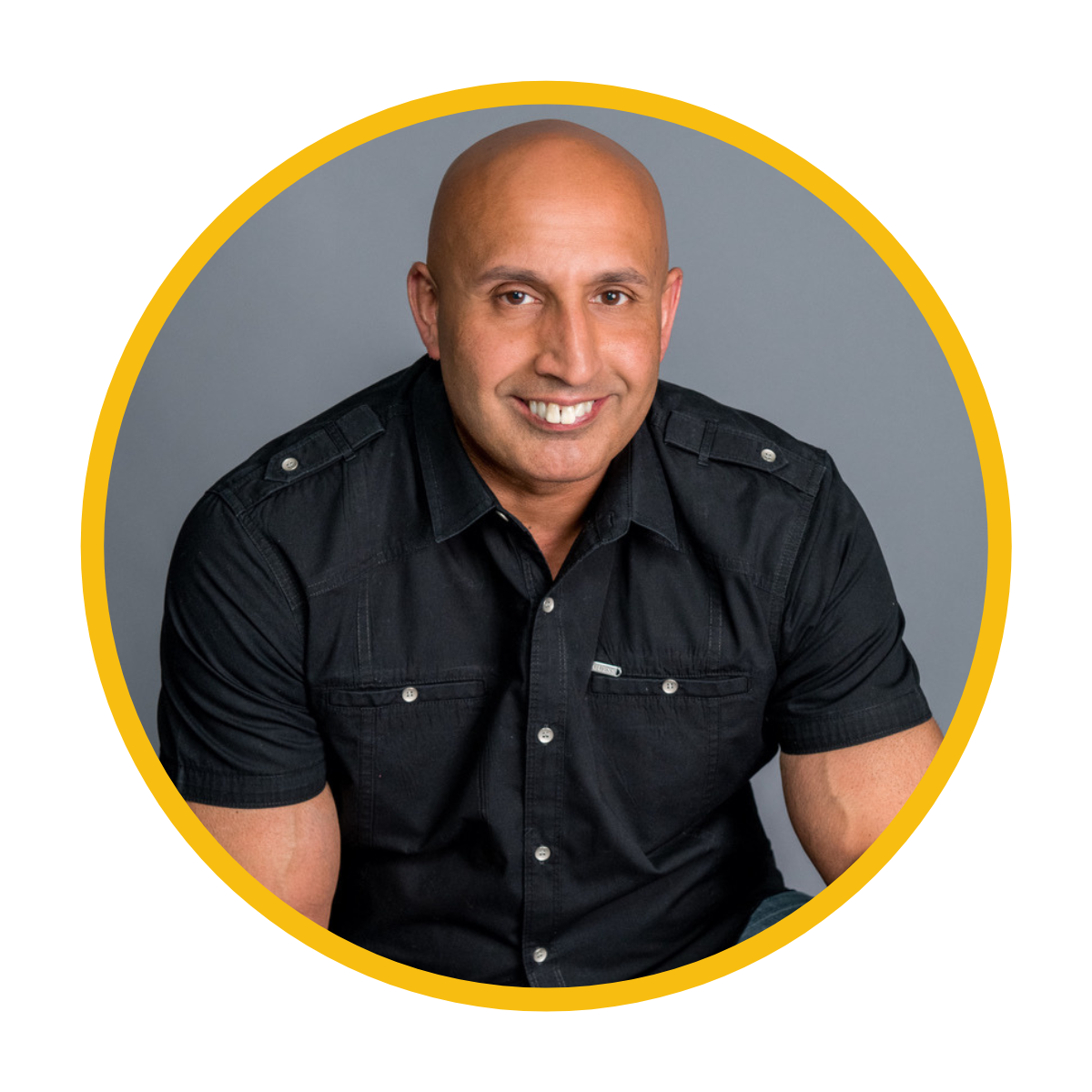
Dr. Al Philip-Neri, PhD, is a Performance Psychologist and Founder of Cohesion HQ, specializing in team cohesion and leadership performance. He works with CEOs, founders, executive directors, and leadership teams to improve organizational execution and alignment. Drawing on experience in corrections leadership, state special operations, juvenile justice reform, and professional fighter development, Dr. Philip-Neri brings a systems-based approach to leadership. His philosophy centers on the belief that while culture is a feeling, cohesion is a system, and that sustainable organizational performance begins with aligned leadership and consistent execution.
Quotes:
03:53 “If I answer the root question of what it takes to create success, I will just say… undefeated. It’s a mindset that says you will continue; you’ll persevere.” —Dr. Al Philip Neri
05:46 “Failures are part of success too.” —Dr. Jim Price
07:02 “Growth is critical, but in order to grow, you have to be self-aware. You’ll never grow until you’re truly honest with you, and it’s okay to be you.” Dr. Al Philip Neri
07:35 “A lot of people don’t always know how important networking is. It’s important to make those connections. When people feel like they have a connection with you, they’re more likely to want to do business with you.” —Dr. Jim Price
17:54 “The end result is execution, so that you can have whatever outcome it is that you want. But you got to execute to be able to get the outcome.” —Dr. Al Philip-Neri
23:21 “On top of people being on the right bus in the right seat, now you have trust because they can handle pressure. You can predict execution. When you can predict execution, you can predict scale. When you can predict scale, you can get the outcome you want.” —Dr. Al Philip-Neri
transcript:
Dr. Al Philip-Neri: But the reality of being undefeated is, it’s a mindset. It’s a mindset that you will just continue. You’ll persevere. You’re not just going to AKA throw in the towel and be like, I’m done. You’re going to sit there and be like, okay, that was painful. Whether it was emotional, physical, financial, spiritual, relational. It was painful, but what can I do differently next time? What was the lesson that I learned that can move the needle forward? Too many people dwell on the sorrow. The failure. Well, failure is a failure. It already happened, so it can either dictate. Or you can say, okay, next time, I’m going to do this differently. Or next time, I’m going to say this. Next time, I’m going to try this. Okay, I’m a little bit weak in this area. I need to go get guidance, a mentor, a book, a podcast in this area. So the reality is, from the failure, the only question I ever tell people is, okay, what’s next that’s going to move the needle forward. Period.
Dr. Jim Price: Hello, I’m Dr. Jim Price, and welcome to The Purpose and Progress Podcast. This is the place where we explore how purpose can guide our actions, and how growth can become a part of our everyday lives. On the show, I talk with amazing guests, from educators and creators to everyday people with extraordinary stories about the challenges they face, the lessons they’ve learned, and how to keep moving forward. My goal is to share conversations that inspire you to live intentionally, embrace growth, and take meaningful steps to your own purpose. Let’s get started.
Hello, welcome everyone. I’m your host, Dr. Price. And this is The Purpose and Progress podcast show, where we share inspirational stories from industry leaders who motivate and share their stories to success. Sometimes, we always see the success, but we don’t know the story behind the success, and the obstacles, and the challenges that entail that person to get where they’re at. Life is always a thing where you’re learning, growing and nurturing yourself to be better and do better. Today is no different. We have a wonderful guest. He is a performance psychologist, executive coach, and founder of Cohesion HQ, where he helps organizations improve leadership, culture, and execution by understanding human behavior. Drawing on careers spanning correctional leadership, higher education, organizational psychology, and executive coaching. He shares practical insights on finding purpose through adversity, building resilience under pressure, why behavior drives performance, and the psychology behind effective leadership. As the author of the Execution Advantage, brings actionable strategies to help leaders achieve stronger teams and more consistent results. I was trying to always say the introduction and then say the name, but then I said the name. It’s all great to have you. Great to have you as a guest today. I’m so happy to have you. How are you? Yeah,
Dr. Al Philip-Neri: I’m good, man. I’m good. Happy to be here, Dr., Dr., Dr., two Dr., right?
Dr. Jim Price: I’m so glad to have you. I think we wanted to touch upon people. I like to talk about people who see success, but they don’t always know the story. So like with you, what inspired and influenced you to begin your journey to success to get to build into where you are today?
Dr. Al Philip-Neri: My journey is long, my story’s diverse. But at the end of the day, if I answer the root question of what did it take to create success, and I will just say, you hear the word resilience, you hear the word you can’t give up, you never quit, right? Failure is not an option, things of that nature. But the word I use is undefeated. And it’s not undefeated in the sense of a scoreboard, wins and losses. I have had numerous defeats in my life. I mean, numerous. That’s athletically, career, professional, self-employed, et cetera, et cetera. Numerous defeats. But the reality of being undefeated is, it’s a mindset. It’s a mindset that you will just continue. You’ll persevere. You’re not just going to, aka, throw in the towel and be like, I’m done. You’re gonna sit there and be like, okay, that was painful. Painful. Whether it was emotional, physical, financial, spiritual, relational. It was painful. But what can I do differently next time? What was the lesson that I learned that can move the needle forward? Too many people dwell on the sorrow. The failure. Well, failure is a failure. It already happened, so it can either dictate. Or you can say, okay, next time I’m going to do this differently. Or next time, I’m going to say this. Next time, I’m going to try this. Okay, I’m a little bit weak in this area. I need to go get guidance, a mentor, a book, a podcast in this area. So the reality is, from failure, the only question I ever tell people is, okay, what’s next that’s going to move the needle forward? Period. That’s it. It’s that simple. What’s next that’s going to move the needle forward? Whatever happened, happened.
Dr. Jim Price: That’s such a critical part where you mentioned that understanding that failures are part of success too. You’re going to fail at many things before you get to that over the hump where you get to success. And I think being able to learn from failure is definitely such a critical thing. Would you say that’s kind of like, in terms of business aspects and with personal growth and development, I feel like learning from failures is probably a critical thing as well in terms of what your experiences have been.
Dr. Al Philip-Neri: I think you learn from both. You learn from failure, and you also learn from success. And I think people say, well, it’s easy to learn from success. Sure, sure. But it’s hard to be humble and have humility when you have a lot of success. So those are usually the real lessons. When you have success, it’s really about humility, and being humble more than it is is the lesson. The lesson usually comes from something that hits hard on what you can do differently next time. So it’s weird how success and failure can teach you similarly, or it can teach you differently depending on your path of growth. But you hit the nail on the head, right? If we had a long time to go through my whole background, growth is critical. But in order to grow, you have to be self-aware. You’ve got to be self-aware. You’ll never grow until you’re truly honest with yourself. And it’s okay to be you. And there’s things you do really well. There’s things that you do average, and there’s things you’re really bad at. And it’s okay to just be self-aware and say, okay, in this endeavor, what do I need to really be good at? And then who do I need to surround myself with that’s really good at all the things that I’m average or not good at? And how do I create collaboration? How do I create partnership? How do I do that?
And a lot of business owners, I feel like, especially if finances are hard, right? You can’t just throw dollars. And if you’re starting out, it’s tough. I always tell people to look to collaborate. There are people who want to do something, but maybe don’t quite have the guts to say, I’m going to start something by myself. But there are really good right hand man per se, or right hand lady per se that know sweat equity can be traded out for the greater good, versus it’s not like coming out of your checkbook because you don’t have any money right now to be able to pay for somebody, but they’ve got something that could help you move forward. So I always encourage people to really go down the lane of collaboration, especially when you get started out. And the whole business thing of don’t do business with your family, whatever. It’s actually, don’t do business with somebody that you can’t separate business and personal or separate a tie from. That’s actually the real truth. If both of you are business minded and you can agree that at some point a business dissolves, but you can be professional and still be at Thanksgiving dinner, cool. Then what’s wrong with doing business with family? But if you can’t, and that gets really muddy, then you don’t do business with your family. So it’s really unique in this world, or in my journey where I’ve been self-employed for 22 years. And before that, I had a 12 year government stint. The things I’ve seen, the things I’ve learned, I don’t always go with kind of like the, what’s mainstream. And mainstream doesn’t always work for all people.
***Looking for books that spark imagination, and teach valuable lessons? The Adventures of Harold From The Hood has four wonderful titles: A Trip to the Park, Friends Like Different Things, Fun Time Lunch Time, and When I Feel So Annoyed. Kids can enjoy animated videos, fun coloring pages, and interactive activity books that make learning about empathy, friendship, and social skills exciting. All books are available on every platform. Dive in today at jimpricebooks.education. jimpricebooks.education. Stay blessed.
Dr. Jim Price: That is the truth right there. That doesn’t always work. Marketing and stuff, and promotion, a lot of people don’t always know how important those things are. And networking too. You mentioned that it’s important to make those connections. And when people feel like they have a connection with you, they’re more likely to want to do business with you and look into whatever you’re offering, whether over service or anything like that. For you, what probably has been some of the hurdles you faced on your path? Maybe a hurdle that you can think of, like, hey, that really taught me a lesson or something. Or I learned from that experience to kind of grow and nurture myself from that.
Dr. Al Philip-Neri: Many. But I’ll focus on at least one that was pretty profound. I was the lead athlete. I fought in the ring for a long time. So when I became an entrepreneur, I left government service. One of the businesses I wanted to open was legit. And then the fight came for a long time. I know a lot of people, and my father told me, no. He was like, don’t do this. This is your passion. Go coach for somebody else. Which I was already doing. I had been doing it. And I was like, I want to do this. And so I partnered up. I partnered up with somebody that also was a phenomenal athlete and had a lot of experience and things of that nature. And me and him hadn’t really had the right discussion. We had many discussions, but we didn’t have the right discussion. And the right discussion is, what did we really want the true focus or value of the gym to be? I thought our common ground was we were both competitors, so I thought that was our common ground. And that wasn’t common ground, but we didn’t realize that until after we were in a 7 year lease. And so now you’re in a 7 year lease, and I thought he would want to have a fight team, amateurs, pros, etcetera. And he was like, no, no, no, no. I don’t want anybody to compete. I just want to do it for fitness, self-confidence and things. And I’m like, oh, oh!
So that taught me about having the right conversation. The right conversation wasn’t that either one of us were bad business partners or anything like that. We just never really had that level of high level detail conversation, which you’re like, well, why not? I don’t know. You’re going on passion. You’re going on enthusiasm. You’re going to be excited. And then the irony was that business is a really hard business to monetize. Okay. It’s really really difficult. There’s a way to do it. There is a way to do it, but it’s really really difficult to do. But what I really realized from that was that I was passing up opportunities because I had a schedule. So it’s really weird because I came out of government, I had a very strict schedule, very stringent. Well, I wasn’t really, aka, entrepreneurial then. I may have tried a side hustle or two. Coaching, personal training, stuff like that, but I hadn’t got into this entrepreneurial jar. So now I’m in this entrepreneurial jar, and I’m a believer of the law of attraction. You throw yourself out there, man. You throw yourself out there enough times. You throw yourself out there a hundred times. People start to be like, hey, I’ve got an idea. Have you ever thought about this, here’s an opportunity. Well, what happened was the gym consumed a schedule. I had to be there. So now, what I really, really learned was I’m not telling people not to follow your passion, but I was missing an opportunity because I had a schedule. So I’ve started to say, okay, when the 7 year lease is over, I’m done. If he wants to keep the gym, keep the name, all good. But I’m going to be done because I want to be free. And I want to be free to say yes to a hundred different things that make sense that I want to try to experiment with.
So the one thing I’ve been really, really, really, really cautious of in the last, I was probably like since 2012-ish, I guess that’s when our lease expired. Give or take. I know I have to work hard, but not when something has a strict schedule because I don’t really like that. I’m not afraid to work hard, but I want to work hard on my terms, my hours that mold around family and things of that nature, not because the doors have to be open. Not telling your audience it’s the wrong thing, dude. I personally won’t ever do a brick and mortar business that has hours that you got to be there. And a lot of your audience might be like, well, dude, you’d have employees until they call in sick, right? And so you got to think through these things. I guess to give your audience really the visual appeal, think of your average 7/11 or liquor store. Just think about it.
Something comes to mind. Know it does. I know it does. It’s pretty much the same family there all the time. Whether it’s husband, wife, brother, sister, kids, doesn’t really matter. It’s the same family member there all the time. Because one of the things in business you have to realize is that payroll. So human talent, which is what I specialize in, is the biggest line item on your P&L. So the way those businesses stay profitable is they keep it very family driven. But ask them when is the last time they went on vacation, or they went to Disneyland, or did they do anything? They didn’t, because they’re in that business with no employees, because that is the biggest line item on the P&L. So just think about that, audience. Think about that for a few seconds, and then start saying, okay, what am I trying to build? What am I trying to accomplish? And that might be it, which is fine because it’s your life. But for those it isn’t it, let’s find a different way, a different path.
Dr. Jim Price: Wow. That is so true right there, and it resonates heavily. A lot of times, you know, we’re looking at business in terms of what the outcome can be. But even with that, you end up getting tied into your business, and then time becomes limited. Now you’re in that wheelhouse of just that repetitive cycle and stuff like that. And over time, that definitely becomes stressful and leads to a lot of things happening that maybe you weren’t expecting to happen. Life always has a sudden event that happens unexpectedly that you’re just not expecting. That thing that just comes out of nowhere, and you’re like, oh, man, now you have to deal with those aspects of whatever the business is and stuff like that. But all of that is a part of that whole sphere when you talk about business relations and making connections, and networking, and growing business, and sacrificing a lot of people. They’re sacrificing just to thrive in these businesses and stuff, and forgetting about self care and being able to do things for themselves, and for their family and stuff like that. All that resonates heavily. I know you also have the book. I want to get into that a little bit. Your book, what that entails. Cover that a little bit.
Dr. Al Philip-Neri: The book is called The Execution Advantage. And just in case anybody’s looking it up right now, there is another Execution Advantage. But you’ll know mine because my picture’s on, so you’ll know mine. So The Execution Advantage is basically, what I did is I thought through what I offer companies, teams, individuals regarding execution. The end result is execution, so that you can have whatever outcome that you want. But you got to execute to be able to get the outcome. I sat there and said, there’s got to be a way for me to systematize and compartmentalize into my own frameworks that I could then teach, whether it’s from the book or workshops, and things of that nature. So what I did is I started with the first pillar in the framework, basically understanding human behavior. So you have to truly understand how people are naturally wired. Now, how do you do that? There’s a million different assessments that do that, and I have one if people need one. But I’m not going to argue with you about which one’s the best. Because if you have one, it’s okay what we do with this data. And the reality is I want you to take a shift in lens on how you look at somebody, and I always use the example of being hand dominant.
So I’m left handed dominant. I’ve been writing with my left hand for my whole life. Understanding behavior means, how about you have me continue to write with my left hand all day, every day, in whatever role you put me in. The minute you switch me over to my right end, this now requires thought behavior modification, stress, panic, anxiety. That’s what happens when you take somebody out of their role of dominance or naturally wired tendencies. You create something not pleasurable. This is not pleasurable, and it’s going to take me a lot of time to perfect this to the level of perfection this has. As a leader, as a coach, as a CEO, are you really going to wait 50 plus years for me to perfect writing with my right hand? Absolutely not, because that doesn’t make sense in your business. So how about we figure out how to get people on the right bus, in the right seat? So that’s what I talk about in the first pillar of the framework. So that’s the applied behavioral psychologist in me. Pillar 2 is alignment. So now that you’ve got people on the right, in the right seat, how do you align them? That was my PhD research. My PhD research was all about how to create cohesion in high-stake environments.
So I came out of government service, special operations, ran a juvenile prison, and elite athletics. We always had high stress going on. So knowing that we were aligned was really, really important. But guess what? Nobody ever gives anybody a playbook on how to create cohesion. Right now, the buzzword is culture. Well, culture is a result. It’s a result of something. You can have good culture, bad culture. It’s a result of something. So the reality is you want to go after having a strong cohesive unit. So my framework, I have 5 pillars in the framework that teaches somebody how to create a cohesive unit. Okay, great. So we got the right people on the right bus. We’ve got them aligned. Oh, that’s perfect. Well, now we have to pressure test them. Because when things get crazy is when people fall apart, when things break down. So now I say, guess what? We got to come in and apply pressure. And so most people were like, why is this guy talking about pressure? No, man. I just go to work, to work. I don’t want pressure. Okay, cool. That’s because you’re looking at pressure through a negative lens. How about we look through pressure as a positive lens.
I use the example all the time of a 5 year old riding a bike, learning how to ride a bike. So for those of you in your audience that are parents, at one point, if your child is 5-ish, give or take, you’re teaching them how to ride a bike, right?Some may be four, some may be six, some might be 10, whatever. But you’re teaching them how to ride a bike, and that is stressful to you and the kid. But it’s also exciting. And then the training wheels have to come off, and you have to teach them to break, break, break. And you got to teach them how to push the pedals backwards to break. But what I ask you as a leader, as a parent is, what is your attitude? It’s encouraging, it’s patient. You don’t put some crazy unreasonable deadline on. You don’t expect perfection today. You expect them to fail. You expect them to want to quit. But your attitude towards all of that is what? Mature, encouraging, loving, kind. I’m not talking about decreasing standards. You want the child to be able to ride the bike, right? And then you want to be able to teach a child how to ride uphill, downhill. Eventually, they’re going to ride to school, whatever the case may be, the grocery store, whatever, cornerstone. But it’s your attitude.
So imagine if you pressure as growth. So leaders, what if we come in and we apply systematic, deliberate, calculated, calibrated pressure so your team can grow? And you know what ends up happening? Just like what happens on the bike and the parents, if you end up creating trust. Because you, as a parent, have to trust your child that they can go ride the bike in the neighborhood. Correct, that they can ride the bike to school. That they can ride the bike to the corner store. You have to have trust. If not, you’re not going to ever let yourself do it. Well, what if your team, through applying deliberate, calculated, calibrated pressure, has trust for one another? That is now collective. And that is the theory I used in my PhD research. Is this how we create trust? A collective trust. Now, when you have trust on top of people being in the right bus, in the right seat, and they’re aligned, and now you have trust because they can handle pressure, you know what you can do? You can predict execution. When you can predict execution, you can predict scale. When you can predict scale, you can get the outcome you want. Period. That’s what the book talks about.
Dr. Jim Price: Wow, that’s something amazing. Sometimes, people don’t always understand how human behavior influences a lot of the things that we do. Everyday, our social interactions that we have with others influences how people envision and see us and things of that nature. And I think it’s amazing how your book structures and pillars in that way, where people can get a real clear indication of learning about that, and learn about the structure of human behavior. And even with the aspect of the team, you mean unity and trust, being able to build trust, that is so huge. Even me, the thing that I see at school, we build trust with the staff, with the kids, with the students. Such a big thing. It’s so big. I’m so glad that you were able to share that a little bit. If the audience wanted to get a hold of your work, where could they go to be able to purchase your work and connect with you?
Dr. Al Philip-Neri: Yeah. So to purchase the book, it’s on Amazon. I don’t have it on Audible, so don’t beat me up. But it is there. You can also go to theexecutionadvantage.com, and that’ll take you to the correct link of the book. So theexecutionadvantage.com. So if you want to buy the book, and I do get asked this question, can I read the book and implement what you’re talking about? Yeah. For the most part, if you’ve already got an analytics tool and things of that nature, absolutely. Now, to purchase me, as you put it, your best way to purchase me or to connect with me is LinkedIn. I’m the only , so you’re not going to be competing, or wondering, or anything like that. I look how I look, so you’re not going to get that mistaken either. Dr. Al Philip-Neri on LinkedIn, connect with me, send me a message. Again, I work with companies, the whole organization, C-suite, middle managers, teams, athletic teams, individuals. The one thing I have not done is pigeonhole myself in a box regarding who I will help and who I will serve, so ERG groups, etcetera. I’m all about, if I can help you get from here to here, which is execution by using my framework, then that’s what we will do. And whether that’s a workshop, a year’s worth of workshops, consulting, Zoom, like I told you, I would not pigeonhole myself to a schedule, or pigeonhole myself in a box. I’m here to serve your audience that best fits what their needs are, and what their company or the team’s needs are.
Dr. Jim Price: Absolutely. This has definitely been a stimulating and thought provoking conversation. And I think it’s always people who are in the business world and are thinking about the aspects of how things carry over into building trust and all those things. I think your book and your work is definitely speaking volumes in that direction to help others. And that’s what it’s about, helping others to see their value, see their worth, and things like that. So this has been such a great motivational conversation. But like always, I want our audience to definitely pull pieces of everything here together and go out and purchase, connect and purchase, and make those moves to better your company, better yourself, and work on your own growth. So absolutely, definitely appreciate you having on being on the show, Dr. Neri. It’s definitely been a great conversation. And as always, it’s about motivation and growth, personal growth, and understanding your worth, and all those things that entail becoming better each day. Like always, I say to stay prayed up, and stay blessed. And once again, this is The Purpose and Progress Podcast Show with your host Dr. Jim Price, and we’ll see you next time. Bye bye.
Thank you for joining me on this episode of The Purpose in Progress Podcast. I hope today’s conversation gave you insight, inspiration, or a fresh perspective to help you move forward with purpose. If you enjoyed the episode, please subscribe, leave a review, and share it with someone who could use a little encouragement. You can also support the podcast through the donation link in the show notes. Every contribution helps us keep sharing stories that uplift and inspire. Remember, your purpose is waiting, and progress never stops. I’ll see you next time.