
“If I can reach a point of relative stability where I’m doing meaningful stuff— anyone can. But the first thing you have to commit to is your stability.”
Overcoming PTSD: A Marine’s Path to Meditation and Healing
Overcoming PTSD rarely looks like the movies. For Mark Blacknell, a former Marine and author of “Just Stare at the Wall,” it looked like two decades of suicidal thoughts, panic attacks, and heavy drinking before he ever sat down to meditate.
Blacknell grew up in working-class Delaware County, Pennsylvania, and joined the Marines to escape a directionless life after high school. Instead, an overseas deployment intensified an anxiety he says he’d carried since childhood. When he returned home, he was, in his own words, “a mess.”
Why Stability Has to Come Before Meditation
Blacknell is blunt about a common misconception: meditation isn’t where recovery starts. It took him roughly 20 years to admit he needed help, and only after his daughter was born did he walk into a VA vet center and ask for it.
What followed was a full year of working with a doctor to find the right combination of medications — a process he describes as frustrating but essential. Only once he reached a baseline of stability did meditation become useful. “Meditation’s not a cure,” he says. “It’s part of a whole package.”
From Personal Crisis to Community Purpose
Blacknell’s own brushes with the justice system opened his eyes to how differently the system treats people without resources. That experience led him to teach meditation to incarcerated men, including some on Florida’s death row — work he approaches carefully, mindful always of victims’ families.
His book grew out of this same instinct to make meditation accessible. Every few pages, it tells the reader to stop reading and simply sit — because the goal was never the book itself, but the practice.
The Takeaway
Blacknell’s advice for anyone struggling is simple: find one stable, credible person in your community and don’t let them go. Whether it’s a counselor, a coach, or a mentor, consistency with that one resource matters more than any single technique.
Recovery, in his telling, isn’t dramatic. It’s one breath, one step, one phone call at a time.
Want the full conversation? Listen to the episode here: https://tinyurl.com/Progress-and-Purpose-Podcast
Episode Highlights:
01:50 Meet Mark Blacknell: Marine Veteran Turned Meditation Teacher
03:07 Childhood Anxiety and the Roots of PTSD
05:29 The Marines, Trauma, and Life After Combat
08:39 Walking Into the VA: The Moment Everything Changed
09:56 Why Meditation Only Works After Stability
10:36 Jail, the Justice System, and a Wake-Up Call
11:17 Teaching Meditation on Florida’s Death Row
19:54 Writing “Just Stare at the Wall”: A Four-Year Struggle
23:00 The Power of Silent Prayer and Listening
27:03 His Advice: Make Stability Your Number One Priority
Resources:
Get Mark’s Book: Just Stare at the Wall: Living the Universe from Where You Sit
📖 The Adventures of Harold from the Hood Book Series:
🚙A Trip to the Park: https://bit.ly/40Lvv6h
🤝🏽Friends Like Different Things: https://bit.ly/4ocAQxq
🍟 Fun Time Lunch Time: https://bit.ly/4odUCJ1
😤 When I Feel So Annoyed: https://bit.ly/4l6WSPt
Meet Mark:
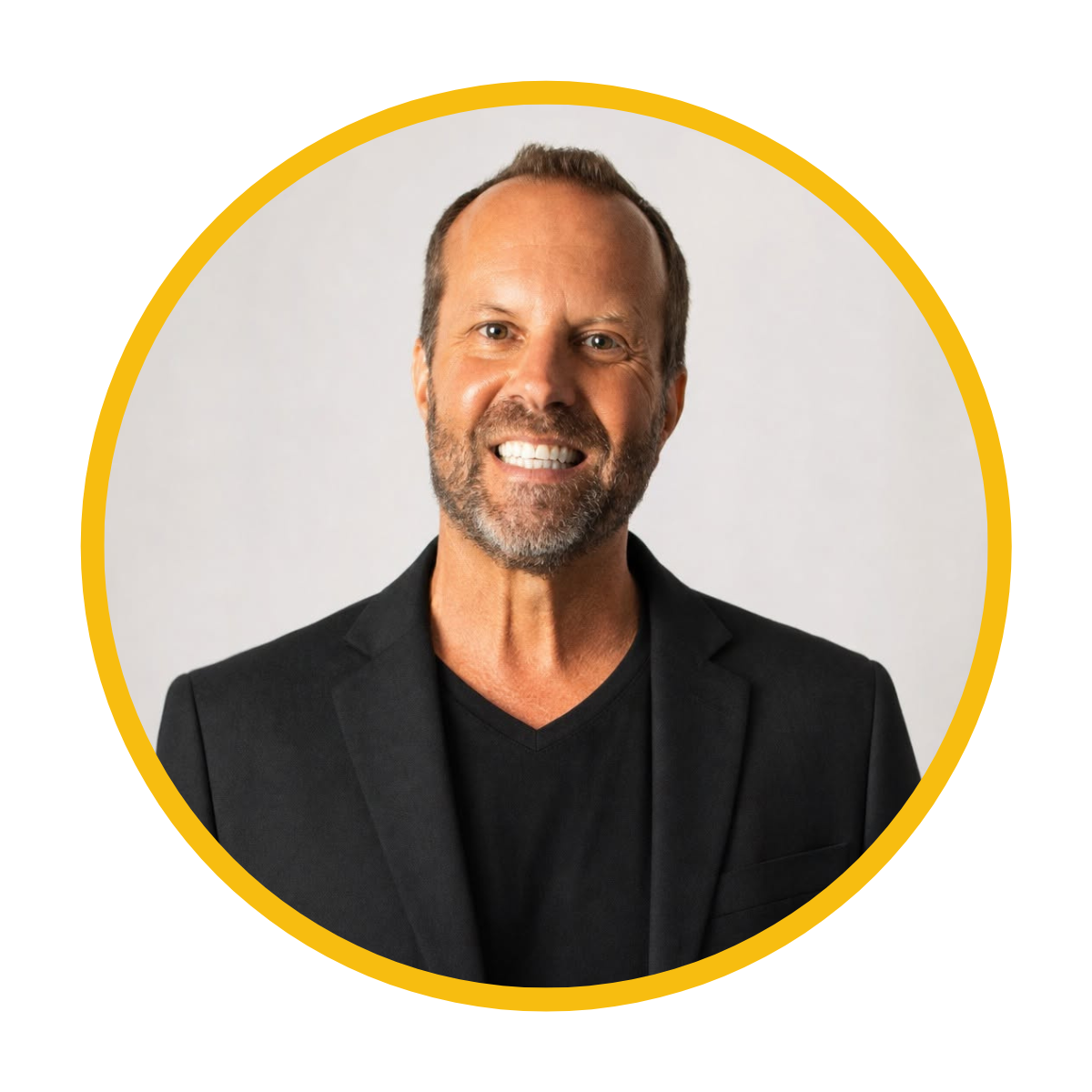
Mark Blacknell is a former U.S. Marine, bestselling author, and mindfulness teacher who transformed years of PTSD, depression, and inner turmoil into a life of purpose and service. After struggling with suicidal ideation, anxiety, and brushes with the law, Mark began his healing journey through clinical support at the VA, carefully managed medication, and a deep commitment to meditation.
He is the author of Just Stare at the Wall!—a candid, hard-hitting book that guides readers to stop self‑sabotage and discover inner stability through simple, consistent meditation practice. As the founder of StareAtTheWall.org, Mark now helps individuals, communities, and even death row inmates cultivate mindful living, emphasizing stability, purpose, and silent prayer as powerful tools for personal and collective healing.
Quotes:
02:42 “When you’re in that good vibrational mindset, you’re able to overcome and get into a lot of things that maybe a person may have thought they’d not been able to get into.” —Dr. Jim Price
06:59 “The day my spiritual practice started, when I consciously started doing something about my issues, was when I admitted I needed help.” —Mark Blackbell
08:42 “I had to become relatively stable enough to find a thing like meditation. [But] meditation’s not a cure; it’s part of a whole package.” —Mark Blacknell
21:18 “All I’m trying to do is encourage the person on their own, without anybody else, to just stop and start meditating.” —Mark Blacknell
24:36 “The world does need a lot of healing. There’s a lot of trauma in the world. There’s much healing to be done.” —Dr. Jim Price
27:56 “If I can reach a point of relative stability where I’m doing meaningful stuff— anyone can. But the first thing you have to commit to is your stability.” —Mark Blacknell
31:34 “Motivation is key. Being able to understand self-love, self-worth, and self-care are all important aspects of lifting your level of motivation so you can achieve your goals and aspirations.” — Dr. Jim Price
transcript:
Mark Blacknell: No matter how good your life has been, no matter how privileged it is or has been, all people are suffering. We’re all suffering in our society, especially. We kind of put it under the carpet, like we don’t really think about how difficult our lives really are. All of us, it ain’t easy being human. We can’t forget that.
Jim Price: Hello, I’m Dr. Jim Price, and welcome to The Purpose and Progress Podcast. This is the place where we explore how purpose can guide our actions, and how growth can become a part of our everyday lives. On the show, I talk with amazing guests, from educators and creators to everyday people with extraordinary stories about the challenges they face, the lessons they’ve learned, and how to keep moving forward. My goal is to share conversations that inspire you to live intentionally, embrace growth, and take meaningful steps to your own purpose. Let’s get started.
Hello, everyone. Welcome to the Purpose and Progress Podcast Show. I’m your host, Dr. Jim Price, where we share inspirational stories with inspirational folks from all different industries and things like that. And today, it makes no difference. We have a fabulous guest today. He is a former Marine who overcame PTSD and mental illness, and transformed his pain into purpose. He’s the author of the best-selling book, Just Stare at the Wall! (Living the Universe from Where You Sit), and the Founder of the Stare at the Wall .Org, where he encourages others to feel meaning and inner peace through mindful living. I’m glad to have on the show with us, Mark Blacknell. How are you doing, Mark?
Mark Blacknell: Oh, good. Thank you so much. You said I overcame mental illness. I’m not quite sure about that. I haven’t managed well, let’s put it that way.
Jim Price: I know we had talked a little bit before the show about how I would just mention how I’m still celebrating my birthday and stuff like that, and how that kind of extended over to a lot of things that happen in this month, especially in August. And that your birthday is not far from mine, how we share similarities in terms of not not looking our age and stuff.
Mark Blacknell: Well, the audience can decide.
Jim Price: But so glad to have you here, Mark. I definitely am blessed and honored to have you up on the show. We always talk about motivation, about encouragement, about mindfulness, and talk about the things that help people progress in their lives in a positive manner. And when you’re in that mindset of a good vibrational mindset, you’re able to overcome and get into a lot of things that maybe a person may have thought they’d not been able to get into. So this is about sharing these stories, and having people be inspired by the stories of our guests on this show. I want to start off with, when do you feel your journey started? And what influenced that?
Mark Blacknell: Well, I always say that my spiritual practice, which is meditation, started at the beginning of time, really. If we really want to trace it all the way back, regardless of what you believe, it could be the God creation when God created the heavens and the earth. Or it could be this big little point that blew out, and everything we know now comes from that. But that’s really where it started. But I’ll fast forward to Darby, Pennsylvania in 1970. That’s really where it started, it’s where I was born. Now, according to my mother and my father, I’m blessed enough to still have them in my life. I was not happy. I came out angry, and I didn’t want to come out at all. It was a really long labor, and I cried a lot. And if my mother left the room, I would hold my breath, turn blue, and pass out. So I had a certain anxiety and disposition towards life, I think from the beginning. I trace it back to when I was a kid. When I think back now, I’m like, wow, there was some kind of sense of dread in me from the beginning. Probably genetic. I don’t get into where it came from. Is it some kind of chemical disorder? I won’t go into all that. I just knew it was there, and it carried forward. And then I got in some trouble. I’m going to make the story shorter than usual. I realize that there’s no real way to simplify it. My story is pretty wild. And we have to understand that any story we tell about ourselves or our lives, how true is it? It’s kind of our version of our story, right?
Jim Price: Absolutely.
Mark Blacknell: I want to preface that up front. So this is to the best of my recollection. But I got in some trouble after I graduated from high school. I had no real direction. I got involved in some things. I’m from the Philadelphia area, from Delaware County. So working class Philly. And I had to get out of that situation, so I joined the Marines. So that got me out of one situation, but into another situation. The Marines are a pretty tough outfit. I was overseas the whole time I was in, and it was really whatever sense of dread or anxiety I had in me, this made it explode like a nuclear explosion. So when I got out, I was really a mess. I was suicidal. I remember years of depression where I considered suicide, heavy drinking, anxiety, panic attacks, the whole deal. And I think back now, and I think, man, I don’t know how I actually achieved anything. I ended up getting a master’s degree. But the whole time, I was hurting inside. I don’t know how I did it, so I think the military did train me to have a degree of discipline and focus. And also exercise and staying physically active, which to this day is extremely important. Staying active is so important. But it took me about 20 years after I got out to really admit that I had a problem.
So I think the day my spiritual practice started, when I consciously started doing something about my issues was when I admitted I needed help. And that I was going to make it my focus, my primary goal to get help, number one, because my daughter, my ex-wife was pregnant with my daughter. And I thought, man, if I’m going to be a good father, I’m going to take this responsibility of bringing somebody into this world, I need to get help. Because right now, I can’t be a good father because I’m fighting myself so much just to stay stable and to go to work. And so it was always a lot of effort. I was always tired at the end of the day. I had no room for anybody. But managing myself. But I went into the VA. It’s called a vet center. I walked in, and there was this doctor behind a desk on the phone. He went like this, hold on. And when he got off the phone, he said, how can I help you? I said, man, I’m a mess. Something’s wrong with me. I need help. And his name was Doctor Evans, and I thank him to this day because that’s really where my path to stability started.
A lot of spiritual folks in my position who meditate and help other people meditate. We don’t necessarily advocate for traditional clinical support. I do, because that was number one. I had to become relatively stable enough to find a thing like meditation. Meditation’s not a cure, it’s part of a whole package. It’s one tool, but the one thing, it took me a year, me and Doctor Evans to find the right combo of meds. That was a struggle because when the meds were not for me, man, that made things worse sometimes. I got sick, so it turned out to be like a little dose of this, and a little dose of that. Which to this day, sometimes I think I probably don’t need it. I’m not messing with that, man. It works. I don’t care about the stigmas. I don’t care about anything. It works. It’s been working for a long time, and that’s what my provider now tells me. No, no, no, man, it works. That’s it. That’s all you need to know. So I stick with the meds, and I still see someone to manage them. But I found meditation only after I reached a certain level of stability. And then man, it took me to a whole nother level. Now, you have to realize I got in a little trouble with the law a few times. I was in jail. I got out of it because I had the means, and the appearance, and the talk to get out of it. If you get my drift.
But I learned through that whole experience that from meeting guys who didn’t have the same opportunities and the same understanding of life that I have, that once you get in the system, man, even for me, if I don’t make that call on Wednesday at noon to Mrs. Johnson, there’s a warrant. What if my phone’s dead? I was scared to death. I did it because I could do it. I’m in a position where I have the tools to manage that. But for someone who doesn’t have those tools, the system, it would have been impossible. It was hard for me with a master’s degree, with all the advantages in the world. And from hearing stories of the guys inside, they’d be because they didn’t have anybody in the world that could bail them out. 500 bucks .Sometimes, 300 bucks. They would sit in there for 9 months before they would even get to court. So it just touched me, and I decided that I was going to go back in and help people by teaching them meditation. And that’s one of the things I do now.
It’s a long story, but I got involved with a guy on Florida’s death row, and I started working with him. And then as he changed over the years, him and I started doing more things for people on death row. So it ended up turning out well. My problems with the law ended up turning into blessings. But I’m always cautious of talking about that work because of the victims’ families. I mean, number one, and I don’t blame them if they think I shouldn’t be doing something like that. They have every right because these guys did some terrible things. Some of them regret it. Some of them will never understand the full implications of what they’ve done. But that’s one of the things I do now. But some folks who meditate and they’re involved in a tradition called Soto Zen. It’s like a very formal tradition. There’s certain rituals. And the way you dress and speak, and I kind of I’m out of that now because of where I am. I’m in conservative Florida here. I’m not in the west. I had to kind of change my approach to all of that. I just started working in my community helping people establish meditation routines, and that’s when I realized, wow, this is a powerful tool. This is a great thing. And I’m going to try to make it as accessible as I can to anyone who is willing to give it a try.
Jim Price: I think that’s wonderful. To have your progress go where, I mean, you’re dealing with the anxiety, you’re dealing with the PTSD, you’re dealing with the stress, you’re dealing with all these elements in life that could cause a lot of people just to go off the rails and completely just negate their opportunity for purpose and progress. And to see that you went to school, got your master’s, and then now, you’re turning around and helping families and communities. It’s just amazing how life can turn around in such a profound way when you’re influencing so many people in a positive way. People sometimes underestimate that. People will see your best-selling book and they’re like, oh, the success. They only see the success of everything. They don’t know the journey of everything that transpired to get to where you are. You know what I mean?
Mark Blacknell: Yeah. And that opens you up to other criticism, like, oh, he’s just trying to pitch this book. He’s just trying to pitch this stare at the wall stuff. And they don’t even know the whole story. You’re gonna judge me and say I’m just trying to promote myself when I’ve been doing all of this for free all these years, and getting in trouble with the authority figures in my tradition. They didn’t really like it, to be honest. They thought I was going too far away from the core tradition, which anybody that tries anything different is going to hit that. It’s just part of the terrain. I look back. I don’t know how I got here other than one day at a time, one breath at a time, one step at a time. That’s how I got here, and I still operate under that premise. Because no matter how good your life has been, no matter how privileged it is or has been, all people are suffering.
Jim Price: Absolutely.
Mark Blacknell: We’re all suffering. In our society, especially, we kind of put it under the carpet. We don’t really think about how difficult our lives really are. All of us, it ain’t easy being human. We can’t forget that. We kind of forget that. But I don’t forget it because, man, my life, it’s still hard practicing, staying stable and helping other people. Plus raising my kids and being there for them and all of that. It’s a struggle every day even if you’re in a good position, in a stable position where you have a purpose. Which I tell my kids all the time, and I tell anyone that would listen, will listen. That’s the key to it all. You have to have a purpose. For getting up in the morning, you got to have a purpose. But then you got to be careful because when you have a purpose, you can get extreme. You can get carried away with that purpose and think you’re doing God’s work. Or you’re right, and everybody else is wrong. You got to be careful even with a purpose.
Jim Price: Absolutely. Absolutely.
Mark Blacknell: Just do the best you can.
Jim Price: All those elements are important. I think it’s good to have a healthy balance between all that. Even when you talk about self care, meditation, all the other elements. I go to the mailbox, and I’m like, the mailbox is not a happy place for me. Because when I open it up and get all the mail out, it’s just going to be bills or junk. Be glad there’s not. Because when you get older, that mailbox is not a happy place.
Mark Blacknell: I say the same thing, man. That mailbox, my son’s like, how come you only check the mail once every two weeks? I’m like, you’ll see if the mail even exists by the time. The physical mail. It’s usually just trash or some notice you’d rather not get. But that’s a great example of how ordinary life can be tough. It really is. And as you get older, as you know, things that you would have never thought of before, you’re thinking about now. Oh, man!
Jim Price: When I had that birthday, it wasn’t too long though, but I got that first AARP in the mail. We’re not doing this. I like AARP. No, we’re not.
Mark Blacknell: I get it all the time. But I’ll tell you what, it does come in handy when you hit 55. Took my kids to IHOP, and I was like, oh, man. Look at this? 55 over a menu.
Jim Price: Get the discount.
Mark Blacknell: Oh, heck. Yeah. It’s a big discount. I’m 56 now. Last year, I would order from the 55 and over, and they would say, wait a minute. You are you 55 now? I don’t know what a year did, but nobody asks anymore. I don’t even get that satisfaction anymore.
Jim Price: Yeah. That is a blessing right there.
***Looking for books that spark imagination, and teach valuable lessons? The Adventures of Harold From The Hood has four wonderful titles: A Trip to the Park, Friends Like Different Things, Fun Time Lunch Time, and When I Feel So Annoyed. Kids can enjoy animated videos, fun coloring pages, and interactive activity books that make learning about empathy, friendship, and social skills exciting. All books are available on every platform. Dive in today at jimpricebooks.education. jimpricebooks.education. Stay blessed.
Jim Price: I also want to talk a little bit about your achievements and projects. I know we talk a little bit about your book, and I’m sure that’s an achievement being able to be a best-selling author. It’s been a big achievement for you. Talk about that little bit in terms of just about the book and what’s it about to our audience to get a little clarity about that.
Mark Blacknell: Well, that book nearly killed me. That’s all I can say. It took about 4 years. I’ve been writing for 30 years, and I’ve written all kinds of books, but I never released one. I always ended up not liking the book when it was done. All right, let me write something else now. I wanted to write something real, but I didn’t know how. But this book just kind of came out of my experience. The bottom line is, I used to torture myself. I wanted to show people how I got out of it and stop torturing myself. It’s really that easy. It’s not easy reading from what I hear. But the people that have stuck with it say it’s changed their lives. So what more can you ask for? But basically, every 10 pages or so, I say, I can keep talking, you can keep reading. But you’d be way better off just putting this book down and meditating silently in front of the wall. And there’s instructions in the back.
So just go to the instructions and forget the rest of the book. I say that every 10, 15, 20 pages, and it’s 300 and some pages. So all I’m trying to do is encourage the person on their own, without anybody else to just start meditating, just to stop. There’s a one-minute exercise in there where you can just stop. That’d be your first little baby step. I call it. So the whole point is just to help people meditate. Now, a lot of people are like, what’s his angle? Well, my angle is this, I really appreciate life. I think we have a wonderful planet here. But I’m a little concerned at this point in history. Can you believe the Civil War ended in 1865, and it’s still playing out today in the United States? We got environmental problems, we got wars, we got social injustice, we got interesting politicians. You want to learn that the whole deal, there’s like a collective sense of dread in the air. So I just felt like, all right, I got to do something. As small as this might be, I tell folks this all the time, people who meditate, who stop and meditate or pray, whatever you want to call it, who actually stop and don’t tell God all the things you need or what He needs to deliver, people who actually stop and listen silently pray, it makes a huge difference in the world.
Jim Price: Absolutely.
Mark Blacknell: It really does. So it’s basically the power of prayer, but only I tell folks that the prayer in this case is silent. You’re listening to God as opposed to telling them everything. Listen, God already knows. You don’t need to say anything. You need to listen. So I think it’s very powerful. And the more folks I can introduce to it, I think the better off the world will be. Maybe that’s a little naive, but we all have our niche.
Jim Price: Absolutely. I think that’s wonderful. Even with our audiences watching this, you never know who’s watching, and who you’re inspiring, and influencing to be better. A lot of times, it’s the people that you don’t even know that you’re inspiring to be better because of the encouragement, because of the motivational words and things like that. A lot of people misinterpret that as things that are maybe not that important, but you know all those words. Words are important, and I definitely incorporate prayer in everything I do so I definitely connect well with that. And I think when you incorporate those things and do the meditation, and do those things like that, put yourself in a position to do things that you want to do in life in that regards and stuff. And you’re a living example of that with your story and all you’ve been through. Becoming an author, and getting your master’s, and all the things that have transpired to get you to the point where you’re at now. You know you’re in a good space, and you’re recognizing and seeing that the world does need a lot of healing. There’s a lot of trauma in the world. There’s much healing to be done. There’s so many things happening. And what better way to do that healing process? Through prayer and understanding others, and trying to have a clear understanding of the things that are happening. And get to some point of clarity in terms of that.
Mark Blacknell: It’s pretty cool because I’m at the point now where I don’t even, maybe I should stop and appreciate my achievements. But I don’t really look at it that way. I look at it like, man, I got a pretty interesting life. I have a purpose. I can help a few people. I don’t need to really be appreciated anymore. You know what I mean? Even by my kids. I learned that if you appreciate yourself, it’s so much better. Because when somebody says something negative, I don’t need to be appreciated. Somebody says something good, I don’t walk out like, oh, man, I just got interviewed by the local news. I caught myself, I was like, damn, I’m important. And then I caught myself, I was like, oh, god, let that go. Let that go. That’s not correct. So it’s that process. It’s kind of a balance. But really, the reason I do it is because I always say, I do it for me. Number one, I reverse it. Some people say, I do everything I do for God. Oh, really? No, no, no! I do everything because it’s fulfilling, and I have an interesting life. I have meaning. Number two, my kids and my family. Number three, my community. And then if there’s anything left over, God can have it. But the way I think is, God doesn’t need anything. You put God number one like that, you think you’re doing everything for God. You better be careful because you can start feeling too good about all that, and then you can start thinking you’re the prophet, and you’re the only one that’s got the direct line. We all know throughout history how that can turn dangerous?
Jim Price: Absolutely. If you were to say some inspirational advice to others, the audience that’s watching, what would you share as inspirational advice in terms of helping someone to be motivated?
Mark Blacknell: It’s really simple. I was a total mess. If you would have met me, I’m not going to put a year on it, but you would have said, there’s something not right with this guy. Who knows what would have happened. Maybe I would have fought you if you looked at me. I was the type of guy like, what are you looking at?
Jim Price: You were in that space at that time.
Mark Blacknell: Yeah. It was pretty tough growing up. There were a lot of bullies, a lot of fighting, a lot of stuff like that. But if I can reach a point of relative stability where I’m doing meaningful stuff, writing books and doing this, and being on shows like that? Anyone can. I’m telling you, anyone can. But the first thing you have to commit to is your stability. That’s got to be number one. And you got to see who’s out there, what organizations are out there, what resources are out there even if you live in a terrible neighborhood where it’s rough. There’s got to be an elder somewhere, somebody who’s known throughout the community as a guy who has his crap together, and that’s the person you want to stick with. Just insert yourself in their lives. Don’t give them a choice even if it’s a reverend and you’re a little skeptical about all that. If that guy’s real, if he’s authentic and stable when he’s doing good work, just show up and don’t leave the guy alone.
You got to know your resources. For me, it was getting in my car after work, looking up the hours of the vet center, knowing when they took walk-ins, and walking in. It was like 45 minutes to an hour from my house. I lived in Maui. I lived up on this mountain, so it was a little out of the way. But I made it a priority. And that’s the key. You got to make getting out of your situation stability, whatever you want to call it. Coming to Jesus, whatever you want to call it. It doesn’t matter to me. Just make it number one. And every waking hour, no matter how bad it gets, just go back to that. Where can I go? Who can I go to? What’s available? Sometimes, it’s sports. I coach football, but it’s soccer. But I refuse to call it that because the rest of the world calls it. I coach middle school soccer. Middle school soccer is a great way to stay out of trouble, to get a good influence. So whatever it takes. And when you get a little older, there’s less options. Really, you might think so, but there’s community resources everywhere.
Jim Price: Thank you, thank you.
Mark Blacknell: And you can find them.
Jim Price: That is so wonderful. Also, how can our audience connect with you and get your books? Because I’m sure our audience, it’s a great read. I really endorse and recommend his book. But tell us how the audience could get a hold of your book, and the title of the book again.
Mark Blacknell: Okay. It’s just to stare at the wall exclamation point!, and then you can get it anywhere. Just throw it in Google, and it’ll pop up. It’s in Amazon, Barnes & Nobles. I think you can even get it from Walmart. I don’t think anybody from Walmart ever read that book. I’m not quite sure they would publish it. I know a few libraries here in Florida have it too. But I think you can request it from your local library, and they’ll get it.
Jim Price: Okay, cool. So that’s another way. Pick up the book. Mark, this has definitely been an inspirational story, and a great interview, and I’m just so happy to have you on the show. And as we close out, we always say, motivation is key. Being able to understand self-love, self-worth and self-care are all important aspects of lifting your level of motivation, lifting your level of vibration to higher levels so you can achieve your goals and aspirations. So as we close out, I always like to say, stay prayed up, stay blessed.
And once again, this is Dr. Price, host of The Purpose and Progress podcast show, and hope you join us again next time. Thank you very much, and stay blessed.
Thank you for joining me on this episode of The Purpose in Progress Podcast. I hope today’s conversation gave you insight, inspiration, or a fresh perspective to help you move forward with purpose. If you enjoyed the episode, please subscribe, leave a review, and share it with someone who could use a little encouragement. You can also support the podcast through the donation link in the show notes. Every contribution helps us keep sharing stories that uplift and inspire. Remember, your purpose is waiting, and progress never stops. I’ll see you next time.